
Tunnel Design Experts
Advanced structural analysis and geotechnical profiling for efficient tunnel boring machine performance monitoring.
Tunnel Design Services
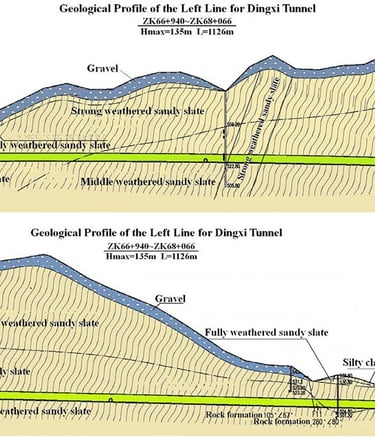
Expert tunnel and geotechnical analysis now relies on advanced software to model ground conditions, simulate soil-structure behavior, and manage risk with precision. The workflow begins by building 3D ground models from borehole data using tools like AutoCAD Civil 3D, then moves to finite element analysis with PLAXIS 2D and 3D for deformation and stability assessments. Specialized platforms like OpenTunnel Designer enable BIM integration with direct links to PLAXIS, while ParaRanger automates parametric studies through Python scripting to explore material and support variations efficiently. For rock tunnels, UnWedge applies probabilistic methods to evaluate wedge failure risks, and MIDAS GTS NX handles complex scenarios involving lateral pressures or nearby excavations. Cutting-edge practice also incorporates uncertainty quantification through random field models, translating geological variability into failure probabilities for better risk-informed decisions. Real-time monitoring systems like Amberg Geotechnics close the loop by feeding sensor data back into the analysis, allowing design adjustments during construction via the observational method. This integrated digital ecosystem ultimately delivers safer, more cost-effective tunnel designs with significantly improved risk management.
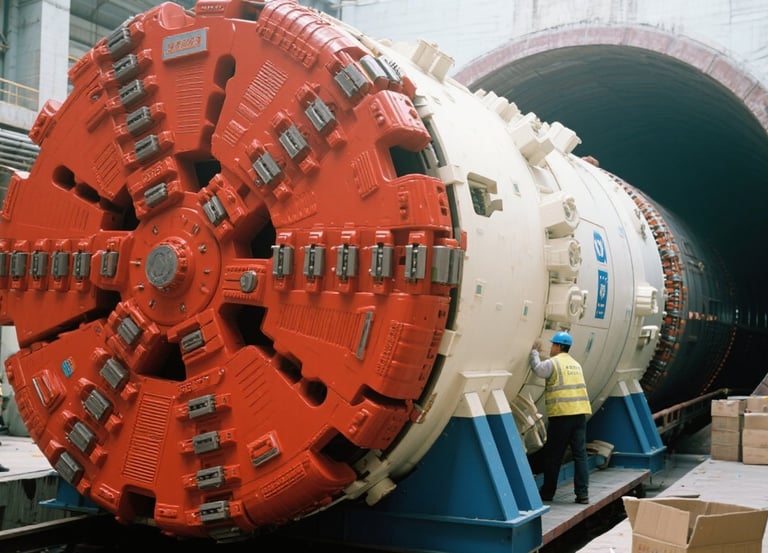
Real-Time Monitoring
Studying deformation of tunnel boring machines during operation for optimal safety.
Structural Behavior Analysis
Evaluating concrete lining performance under various conditions for enhanced durability.
Advanced Software Tools
Utilizing Midas NXGeo and Diana for comprehensive structural analysis and design solutions.
Tunnel Design
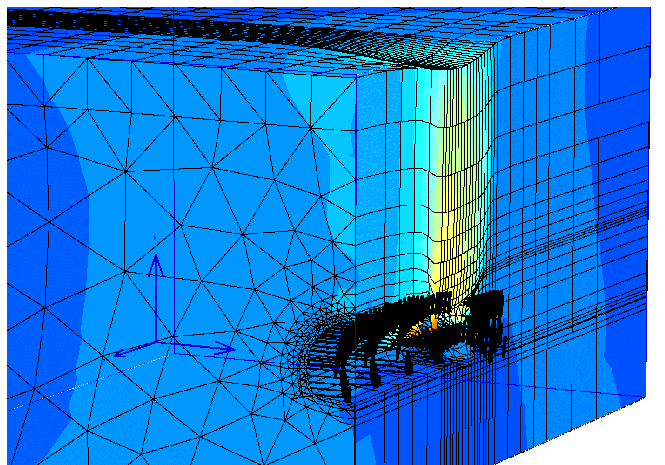
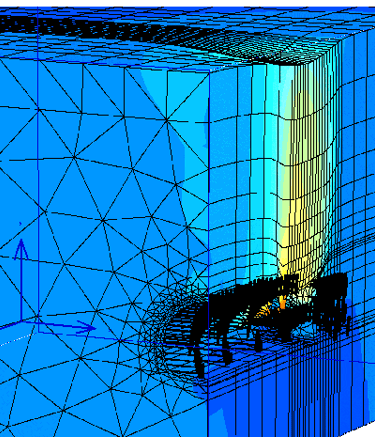
Advanced analysis for structural tunnel design and deformation studies now integrates sophisticated software tools to model ground-structure interaction and predict ground movements with high accuracy. The process starts with finite element platforms like PLAXIS 2D and 3D, which simulate tunnel excavation sequences, lining behavior, and surface settlements while capturing nonlinear soil responses through advanced constitutive models. For comprehensive design, OpenTunnel Designer enables parametric 3D modeling of reinforcement and lining systems, with direct coupling to geotechnical analysis for seamless structural verification. Deformation studies are further enhanced by tools like MIDAS GTS NX, which handles complex loading scenarios including adjacent excavations and varying lateral earth pressures, while ParaRanger automates sensitivity analyses to evaluate how changes in material properties or support stiffness affect displacement patterns. Probabilistic approaches are increasingly employed to quantify uncertainty in deformation predictions, using random field models to account for stratigraphic variability and generate confidence bounds on settlements and lining deflections. Real-time monitoring data from extensometers and load cells is then integrated back into the models, enabling the observational method where predicted deformations are continuously compared against measured values, allowing for timely design refinements during construction. This integrated analytical framework ensures optimized tunnel linings that balance structural safety, serviceability requirements, and cost efficiency while maintaining rigorous control over ground movements.
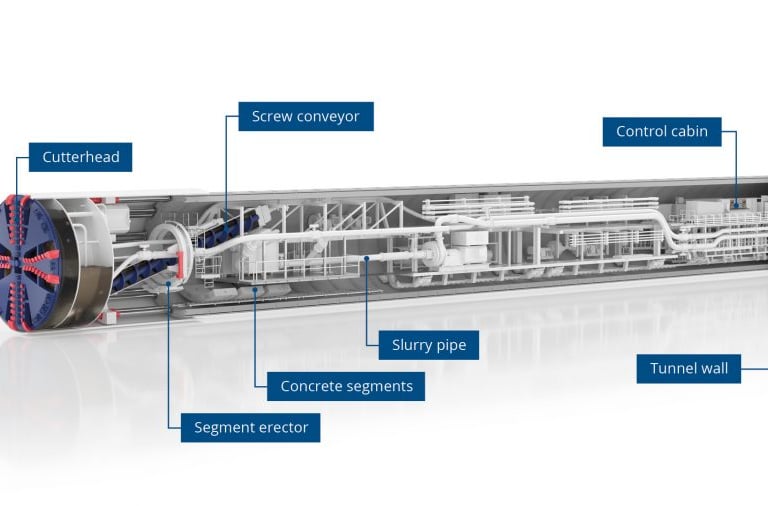
Real-time Monitoring
Studying deformation using specialized software for accuracy.
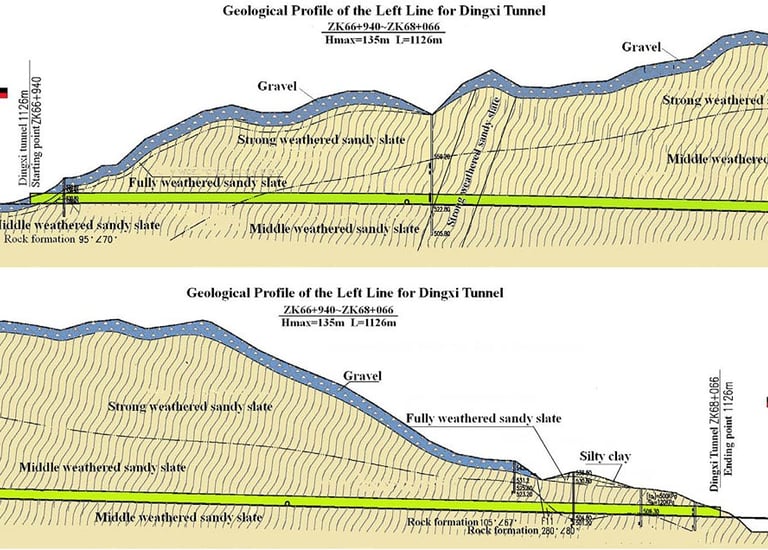
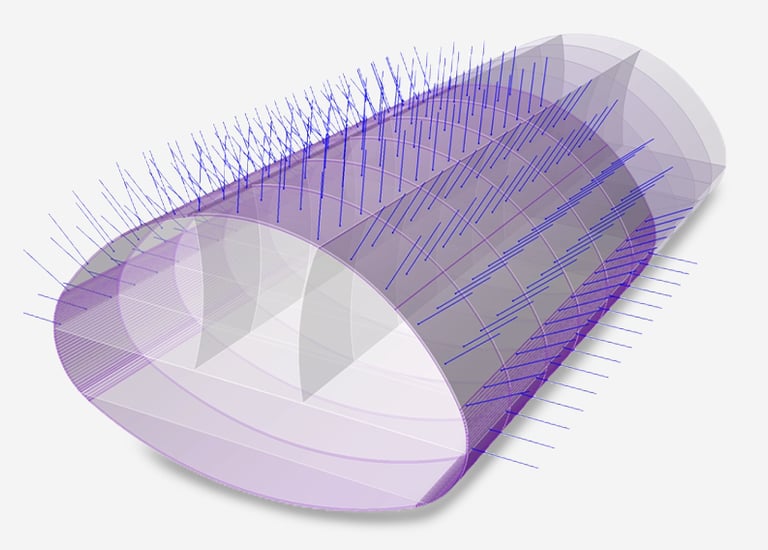
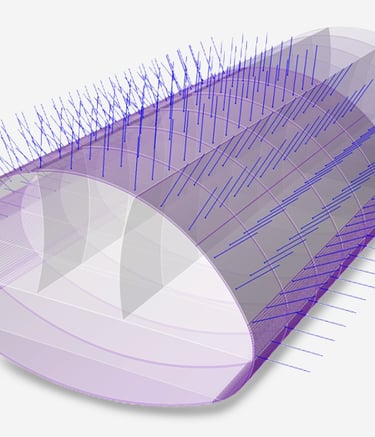
Geotechnical Analysis
Understanding concrete lining behavior through dynamic modeling techniques.
Contact Us
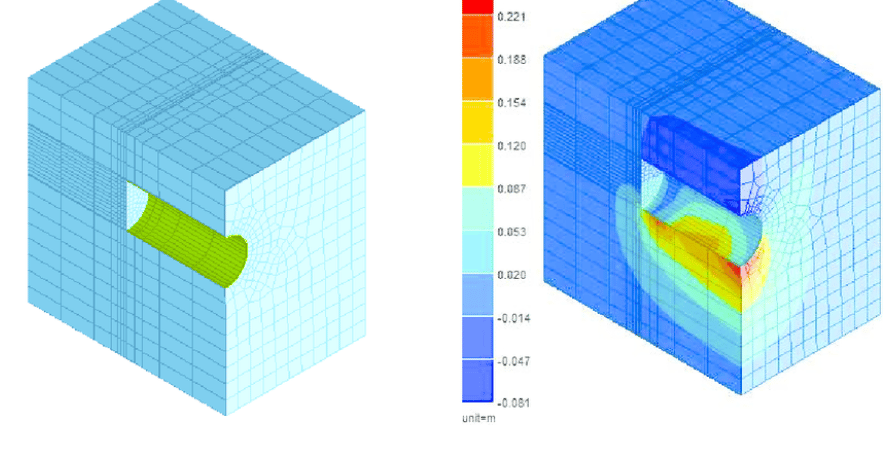
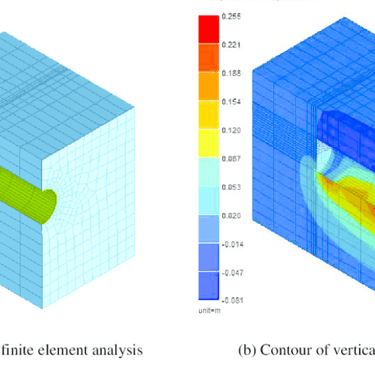
Reach out for expert structural tunnel design analysis and geotechnical profiling services. We're here to help.